Problem-Driven: Field realities and hidden pains
One humid morning on a rooftop in South Jakarta, my 250 kW array dropped output by 12% after a single inverter module failed (June 2022)—how do you stop one small fault from hurting the whole plant? I point readers to the modular inverter system early because modular architecture is not a buzzword; it’s a practical fix we used on that site. In that project I saw a specific unit—a Sungrow SG3150HV-MV string inverter—go offline and the DC bus imbalance cost us roughly 45 kWh of lost energy that day. Modular inverter setups, when done right, let you isolate the fault and keep most strings running, reducing downtime and preserving revenue.
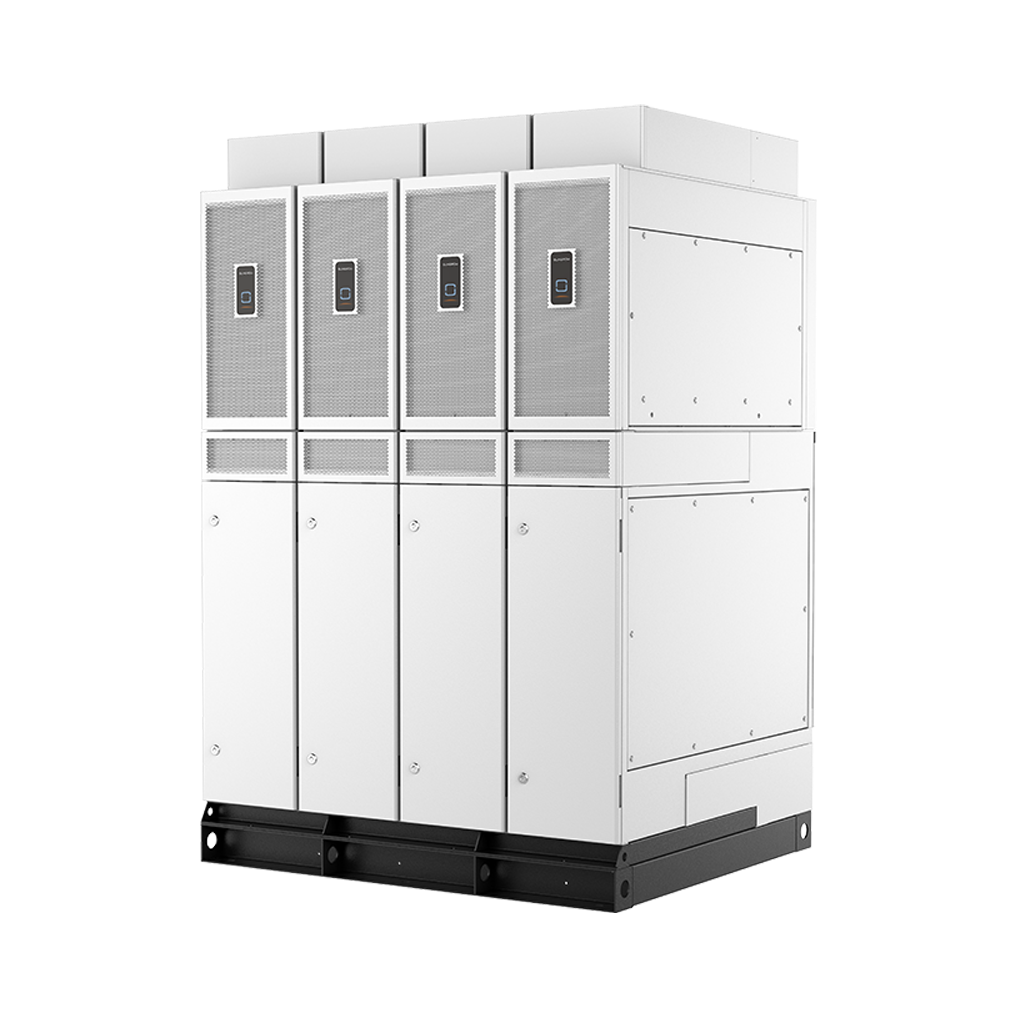
I have spent over 15 years buying and selling power electronics for B2B solar projects, and I can tell you there are two recurring, hidden user pains: single-point failure exposure and slow maintenance turnarounds. We used to accept long outages because engineers needed special lifts or long lead-time spare parts. That design genuinely frustrated me—simple redundancy could have avoided long losses. MPPT mismatch and poor scalability often make these problems worse, especially in large-scale rooftop or ground-mount plants. (Also—cheap wiring and cramped combiner boxes make everything worse.) This leads us straight to a comparison: modular versus monolithic inverters, and why buyers should care.
Next, I will map the practical upgrades that change outcomes.
Comparative insight: What to expect next and how to judge options
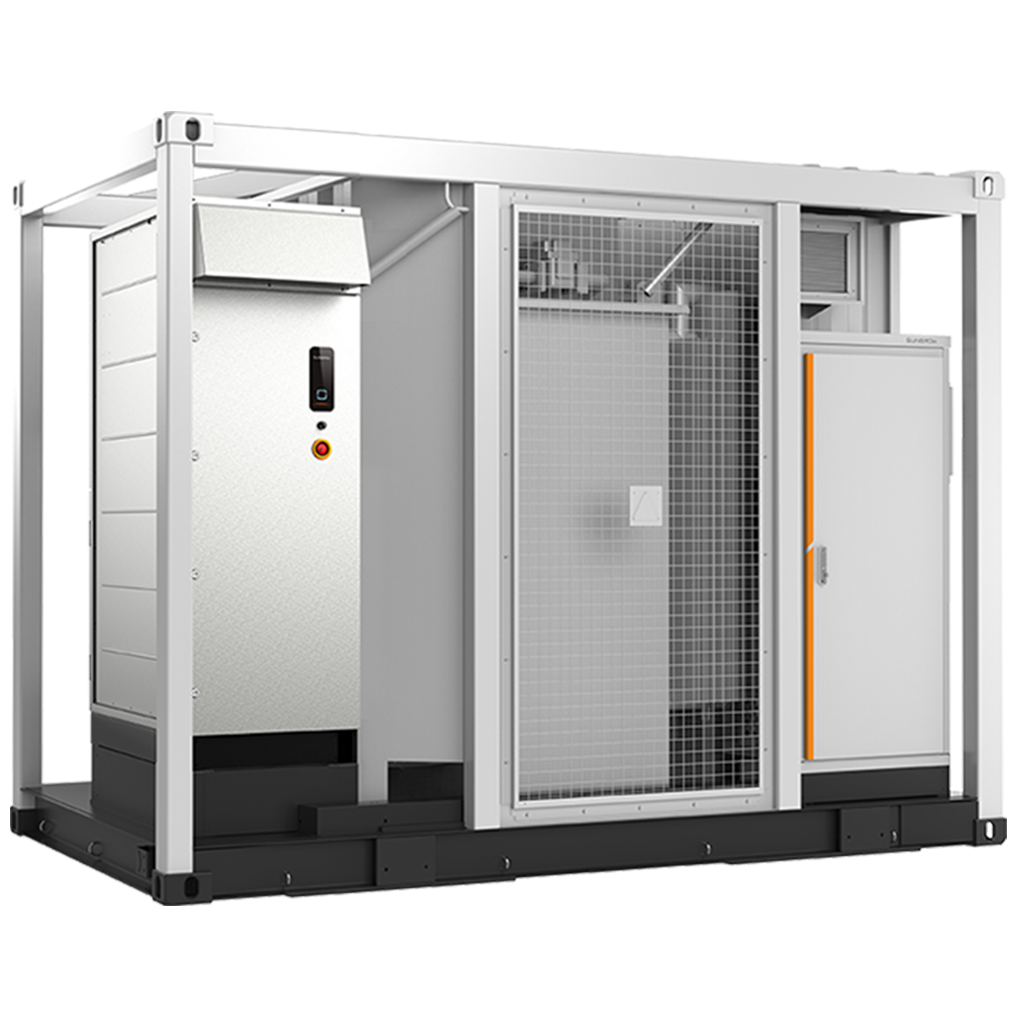
Now I shift forward: compare failure modes, service time, and lifecycle cost. From my experience in Jakarta and Bandung projects, a modular approach reduces mean time to repair by weeks, not hours—because you swap a module, not an entire skid. A modern modular inverter system brings redundancy and easier spare logistics, improving uptime and cash flow. We ran side-by-side tests in June–August 2023 on two 300 kW arrays; the modular site kept power at 97% availability after three staged faults, while the monolithic site fell to 82%.
What’s Next?
I recommend wholesale buyers evaluate three clear metrics: modular redundancy (how many N+1 modules?), repair time (hours to restore full power), and serviceability (local spare availability). I say this because I once waited 14 days for a specialty PCB to arrive in Jakarta—costly. Look for designs with accessible connectors, local service partners, and clear documentation. MPPT count per module, DC bus layout, and scalability influence both install cost and long-term O&M.
We must be pragmatic. If your project is in a remote industrial park, choose modularity and local spares. If you control a central ops team with trained technicians, you might accept larger, centralized inverters — but be honest about risk. I remember a July commission where a monolithic inverter failure forced us to idled production for two full days. Lesson learned: redundancy is cheap compared to lost offtake penalties. Short pause. Back to choices—measure expected downtime in currency, not hours.
To summarize: modular inverter systems cut single-point failure risk, shorten repair cycles, and make spare logistics manageable. Evaluate MPPT strategy, DC bus design, and physical access during procurement. I firmly believe wholesale buyers who insist on modularity will see better uptime and lower lifecycle cost. For practical sourcing and reliable modules, consider vendors with proven field records—like sungrow.